
Allah said in the Holy Qur’an, “Fear God and accompany Trustworthy people” [9:119]. Allah’s Word is for all time, for every era and for every century. It is an ongoing order, from which we understand the importance of keeping company with the Trustworthy. Allah orders all human beings to accompany them, because by keeping their company one will see how they live their lives, how they deal with people, how they address their companions, how they eat, how they sleep, how they worship. By accompanying them, one will learn all their good manners, and their ways of life. Another way too understand this verse, is that one should accompany a trustworthy person, because to be trustworthy is very rare and not many people achieve it. Everyone, however, can find a trustworthy person and accompany him, in order to be guided.
This interpretation is general one and regarded and focused the general Muslim people. But as the holy Quran focusses different layers of people it should address each one of those layers of people. Among them is the people of spirituality. In the spiritual meaning the interpretation of the above verse is to follow a Shaikh, a trustworthy Sheikh. In every Sufi order it is essential to follow a Sheikh. So the above verse becomes an evidence from holy Quran for that.
Somebody may ask what is the need of a Sheikh?. The answer is so simple. But to reach to this answer we should understand who is a Sufi at first. The Sufi is a spiritually purified person. To achieve this purification the Sufi should understand the value of the life here and the importance of striving for a better hearafter. And he should know and inculcate the the right way to be purified from the life lessons of Prophet and his pious followers. And he should be punctual in all kind of worships and should follow all sunnahs by his life. Mainly he should keep himself always away from all kind of lusts. And he should live with rememberence of Allah almighty every time with his words and deeds even with his breath.
It is sure that such a pious man will be noted and accepted by the people and by the Lord of the people. The Lord of the people will pour his bounties on him with acceptance and love from the people. The people will love and follow him. By reaching this stage Sufi will start guiding the people. He guide them to the spiritual way he realised by his own life. This is called Tharbiyah. Tharbiyah is to guide a follower uplifting his mental readiness to enter and go on to the spiritual world. So, as part of this process every Sheikh will have his own disciples who are been called Mureeds. And they will have a gathering place which is called Khankhah. The Sheikh will have tharbiyya classes which is called Irshad. This way is called Thareekha which means Sufi Order.
As the spiritual world always evolve around Sheikh, the Sheikh should have certain qualities like being a Sunni Muslim with valid tenets of faith, being an alim capable of answering most questions about what Allah expects of man without having to ask someone else especially in the spiritual world, yet humble enough to ask when he does not know, Having a verifiably public authorization from a true sheikh to be a sheikh, connecting him through an unbroken chain of authorization (silsila) back to the Messenger of Allah (Allah bless him and give him peace), being worthy to be taken as an exemplar in religion, not privately disobedient or wicked and so on.
Imam Abdul Qadir Al Jeelani رضي الله عنه says:
إن الإنسان إذا لم يكن تلقن الذكر الشريف الذي هو التوحيد من شيخ مرشد له نسبة متصلة بالنبي صلى الله عليه وسلم وإلا فبعيد أن يستحضرها عند الحاجة إليها في وقت مصيبة الموت (قلائد الجواهر ص ١٦)
If a man didn't get al dikr (Allah's remembrance) from a Sheikh related with Prophet (Pease be upon him) it is very difficult to recall it in the time of death which it is necessary to recall it.
Thasawwuf
Imam Gazzali said:
علم التصوف فرض عين إذ لا يخلو أحد من عيب أو مرض إلا الأنبياء عليهم السلام
It is must for every Muslim to have knowledge of Thasawwuf. Because it is purification. There could not be anybody - except the messengers of Allah - free from defect or spiritual sickness. So this knowledge will cure and purify them. Imam Shaduly states:
من لم يتغلغل في علمنا هذا مات مصرا على الكبائر وهو لا يشعر وحيث كان فرض عين يجب حسبما نص عليه غير واحد
Whoever didn't enter to this knowledge will die as persistent on the bigger sins without knowing. As it is a compulsory knowledge it will be among the compulsories like many scholars told. Imam Sanoosyyرضي الله عنه stated:
النفس إذا غلبت كالعدو فتجب مجاهدتها والإستعانة عليها وإن خالف الوالدين كما في العدو
When the soul overcame it is must to fight against that and to seek help for that from who know about him even if it forced to disobey his own parents. (من كتاب إيقاظ الهمم لإبن عجيبة)
Sisila and Bay'ah
The formation of a Sufi Order relates the disciples each other and ties them with the Sheikh, where the Sheikh is also being connected with his Sheikh and so on to be connected with Holy Prophet. So it is a chain which is silsila in Arabic. The Arabic word ‘silsilah’ in Sufism it refers to the formal chain of spiritual descent. The chain runs across centuries but starts with the Sheikh who passes on their mystic wisdom to disciples, who in turn pass it on to theirs and so on. Thus through this chain we can see and understand who and howmany Sheikhs have joined with this silsila in order to check whether they are accepted ones by the spiritual world or not. The chain stands for protection of the belief and brotherhood of Islamic culture.
Shaikh and the desciples become a spiritual family by being bound in a chain called Silsila. This becomes a religious covenant and agreement. So, When someone is ready to accept thareekha from the Sheikh he allows them the opportunity to make a promise to God that will set the intention for their walking on the Sufi Path. This is called the Bay’ah. Sheikh takes the hand of the student in his hand signifying a commitment to guide and be guided. This echoes the verse number ten in surah Al Fathh in the Qu’ran when God tells the Prophet "Indeed, those who pledge allegiance to you, they are actually pledging allegiance to Allah. The hand of Allah is over their hands. So he who breaks his word only breaks it to the detriment of himself. And he who fulfills that which he has promised Allah – He will give him a great reward." So this procedure insure the seriousness of the agreement between Sheikh and mureed. Therefore a true Muslim cannot break it at any circumstance.
Bay’ah is actually a pledge to strive to adhere to and execute the esoteric and exoteric actions of Islam. This pledge is an authoritative transmission of spirituality from generation to generation from the earliest era of Islam. It backs to the Prophetic era. The Messenger of Allah had enacted the bay’ah of the Sahabah not only on jihad, but on Islam and the adherence to all the injunctions and practices of Islam. This is established by numerous hadeethes.
Most of the time the bay'ah ceremony constitutes something secretly and sometime by covering with a green shawl. The actions may differ from one order to one another and from one Sheikh to one another. And regarding the ladies they will be kept in a gentle distance.
The metaphor "The hand of Allah is over their hands" in the above mentioned verse signifies divine protection, presence, and sanction over the covenant. So it should be authentic and done by presence of the Sheikh. One cannot belong to a spiritual Silsila merely by family heritage or intellectual interest or similar actions. He must formally enter it by taking Bay'ah at the hands of an authorized living master within that specific chain.
Living Sheikh
According to the principles of Sufism Sheikh is a guard and guide of the Mureed. He watches his lifeway closely and gives him the instructions and guidelines time to time. Even if they are in two places their souls are being connected with each other. It is said that the gap should not be long between the visits of a mureed to his sheikh. So, If one is separated from his sheikh by death or other circumstances, it becomes necessary to find a living guide, who can complete the work of the first master.
The path itself is not the Goal, but the means to reach the Goal. Holding onto the attachment to a master who is no longer present, usually represents an unrealistic expectation and a false hope. It is the procedure which the followers of the Prophet had maintained after he died. And the califs followed the same procedure once one of them passes away. It is the real meaning of khilafat in Islamic terms.
Imam Al Qushairy in his interpretation for the verse of Qur'an in Chapter Al Qiyamah verse number 22 which Allah says: "(some) faces, that day will be radiant" says that it is a clear evidence that they will be in good mood without any anxiety or confusion because this brightness is symbol of the vastness of their hearts.. . And in his interpretation for the just next verse which says: "And (some) faces, that day will be contorted" (Al Qiyamah: 24) he says that it is the faces of the ignorants who are denyed the inculcation of the supreme true by following its leaders. Then Allah continues saying: anticipating something devastating to befall them. Then Allah warns saying: "Nay, when (the soul) reaches to the collar bone (i.e. up to the throat in its exit), And it will be said: "Who can cure him and save him from death?" And he (the dying person) will conclude that it was (the time) of departing (death); And leg will be joined with another leg (shrouded) The drive will be, on that Day, to your Lord (Allah)! Then Allah says the causes for this torments saying: So he (the disbeliever) neither believed nor prayed!. Imam Qushairy says here, that means he hasn't put his belief in the rightly guided spiritual guides and they haven't pray the prayer of hearts. These explanation of Imam Qushairy denotes the importance of following a spiritual guide.
Cutting the relation with the Sheikh
Cutting the relation with the Sheikh is a serious offence needed to be afried off. It will be considered as cutting the relation with Allah Almighty Himself. So, when any person is entering to a tareeqa he should think of it well. Once he joined with the way and chain of Sheikh he should not leave or abandon that relation. If if it happens it will affect his entire life. He will be regretful in the time of death. In the very fearful and anxious situation As holy Quran mentions in Surah Al Qiyamah verse 26. Allah says: 'Nay, when (the soul) reaches to the collar bone (i.e. up to the throat in its exit), And it will be said: "Who can cure him (and save him from death)?" And he (the dying person) will conclude that it was (the time) of parting (death); And one leg will be joined with another leg (shrouded). The drive will be, on that Day, to your Lord (Allâh)! In such a condition the man who denied the spiritual way and left the Sheikh and his way will think and realise with full of despair that how unlucky he is as he abandoned the Sheikh and his way.
Leaving the Sheikh and cutting off the relation with him is likely leaving the belief and faith behind. It is cause of Allah's curse and reason for a big lesion. Because he is breaking The covenant which made with him in the name of Allah. And it will be cause for loss of the light which Allah given and help. Eventually that person will move from the right path and his life will subdue to the lustes and desires. This is the Sathanic way to deviate the believers from the right path. Imams of spiritual world says:
مرتد الطريقة شر من مرتد الشريعة (البروج المشيدة س ١١
Apostate of Threeqah is more evil than apostate of Shreeah.
A person leaving the Thareekha after joined with it will be published severly. It is mentioned in a holy Hadeeth as follow:
عن أبي عبد الله بن خفيف أنه قال: رأيت رسول الله صلى الله عليه وسلم في المنام كأنه قال لي: من عرف طريقا إلى الله تعالى سلكه ثم رجع عنه عذبه الله تعالى عذابا لم يعذبه أحدا من العالمين (الرسالة القشيرية ص ٣٧٦)
Narrated Abdullah bin Khfeef that he felt as he met with Prophet (Pease be upon him) in the dream and as he said: Whoever knew a path to Allah, then he returned from it, Allah will punish him with a painful torment which He hasn't punish anyone before. (Risala Al Qushayriyya page 376)
If a man losts his Sheikh by death or any other reason he shouldn't lay upon his teachings because he left the world and he is entered to phase in which he is stepping forward by the increased degrees Allah bestowed upon him. So, in such circumstances he should search for another Sheikh who will lead him like the dead or missed Sheikh. Imam Abdul wahhab bin Ahmad Al sha'arani said:
ومن الواجب عليه إذا مات شيخه أن يتخذ له شيخا يربيه على ما رباه الشيخ الأول (الأنوار القدسية س ٤٤)
On the death of his Sheikh it is must to find out another one who will guide him as his former Sheikh used to do. (Al Anvarul Qudsiyya, page 44)
The succession of a mureed as Khaleefah (represent) is also permissible on condition of the permission and representation from his Sheikh. If one clever is doing so, he should fear the evil death. Sheikh Ahmad Shaliyathi clearly mentioned it in his Fatawa Ashariyya.
Breaking the covenant
The bay'ah covenant is actually taken in the name of Allah and with Allah because it stands for the steadfastness on the path he compelled to follow. Every disciple takes through that an oth and pledge that he will fulfill all of his duties and stand with the sincere worship to Him and keep the remembrance of Him always. As it is considered as an agreement with Allah it is prohibited to break it. There are severe warning against breaking the covenant in the holy Quran. Such as in chapter no. 17 Verse no. 34 where Allah says: “And fulfill (every) covenant. Verily! The covenant will be questioned about.” (17:34). And it is what Allah has compelled saying: “O you who believe! Fulfill (your) obligations.” (5:1).
The Prophet Muhammad (PBUH) also warned in authentic Hadith that breaking promises and betraying covenants are major signs of hypocrisy (Nifaq). "Abdullah bin Amr bin Al-As (R) said: The Messenger of Allah (sallallaahu alayhi wa sallam) said, “Whosoever possesses these four characteristics is a sheer hypocrite; and anyone who possesses one of them possesses a characteristic of hypocrisy till he gives it up. These are: when he is entrusted with something, he proves dishonest; when he speaks, he tells a lie; when he makes a covenant, he proves treacherous; and when he quarrels, he behaves in very imprudent, evil, insulting manner.”
[Al-Bukhari and Muslim].
And Allah warned with severe punishment those who break the covenant. Allah has mentioned it narrating the story of the sons of Israel: "So, because of their breach of their covenant, We cursed them and made their hearts grow hard. They change the words from their (right) places and have abandoned a good part of the Message that was sent to them.1 And you will not cease to discover deceit in them, except a few of them. But forgive them and overlook (their misdeeds). Verily, Allâh loves good-doers (5:13)
In Sufism, breaking a covenant generally refers to violating the primordial pledge made with Allah which is mentioned in Surah Al A'araf verse 172. That is Because the bay'ah in Sufism is renewal of that covenant. Imam al-Ghazālī writes: “When the servant pledges himself upon the path, he is only renewing an ancient covenant, one that the world has made him forget.” Expressing it's importance Shaykh Ibn Al Arabi said, “The covenant was not a conversation of words, but a revelation of being; whoever remembers it remembers his own essence.” It is maintained not by speech or ceremony, but through unwavering remembrance and inner purity. When the heart is faithful to its covenant, divine light flows through it unobstructed; but when it is broken through heedlessness or pride, the soul becomes veiled once again.
 Thoughts & Arts
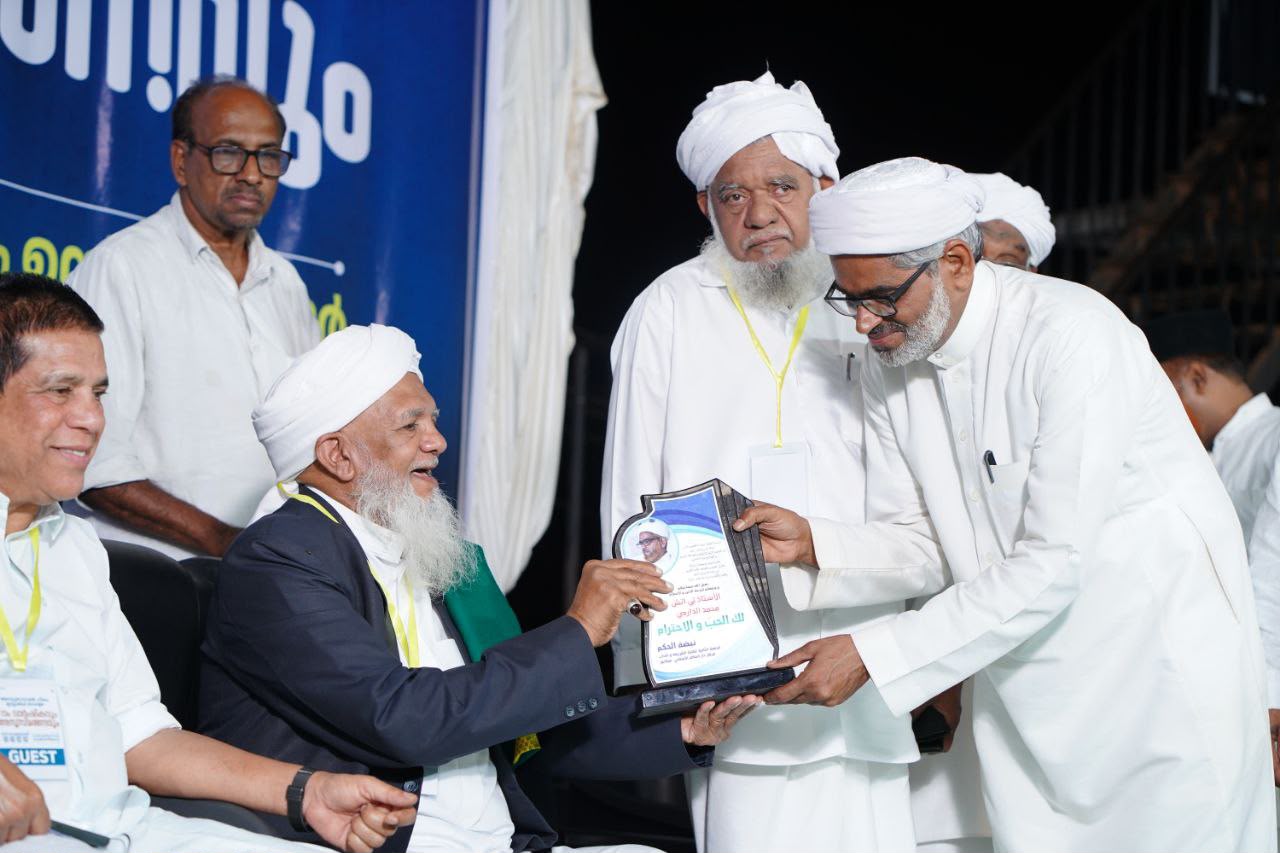
Are we in need of a shaikh?
2026-08-02
0 Comments
No comments yet.
Leave a Comment
© www.thdarimi.in. All Rights Reserved. Designed by zainso